
Translated by Nathalie Sfeir. Arabic follows, original article
Taghreed al-Najjar is a pioneer in the field of Arabic children’s literature. As the author of over a hundred books for children and young adults, and the founder of the Jordanian publishing house Dar al-Salwa, she has been recognized multiple times for her work. Taghreed al-Najjar is also a member of the PublisHer initiative, which works to support and recognize women in the publishing field.
Your books are the go-to for those seeking Arabic youth literature featuring powerful, courageous, deeply human women. What is your thought process when creating a female character? Where do you draw your inspiration from?
I have always tried to change the way the world views women. My personal experience may have played a significant role in this. I was born into a rural Palestinian family that prioritized male children above all else. I was my father’s third daughter, who himself was the only son among seven sisters. You can imagine the pressure on my poor mother to have a son… My father, who had graduated from the American University of Beirut, was open-minded, and my mother was an independent thinker and a rebel. Despite this, they could not escape societal expectations and values when I, the third daughter, was born. I was told that the disappointment at my arrival was so great that the midwife had to choose my name. A year and a half later, my brother was born, and I finally had a place. I had paved the way for the much-awaited son. This became my value in the eyes of the family: I was the one after whom a son was born!
Looking back, I realize that I have always tried to prove that girls are important, that they can succeed in whatever they do, that they are valuable, and that they deserve to be loved and cherished. I am inspired by stories I hear about women succeeding in jobs traditionally reserved for men. I draw my ideas from the journeys of women I meet or whose works I read. I also try to draw from my own life experiences and by observing the people around me to imagine the interactions between my characters and the emotions they feel. From time to time, I do research to enrich a character’s development. I always strive to offer multi-faceted characters that readers can identify with. I try to show how they evolve and change in response to circumstances.
Your books often feature strong female figures. Is it important for you to represent varied and autonomous female characters, especially for young readers?
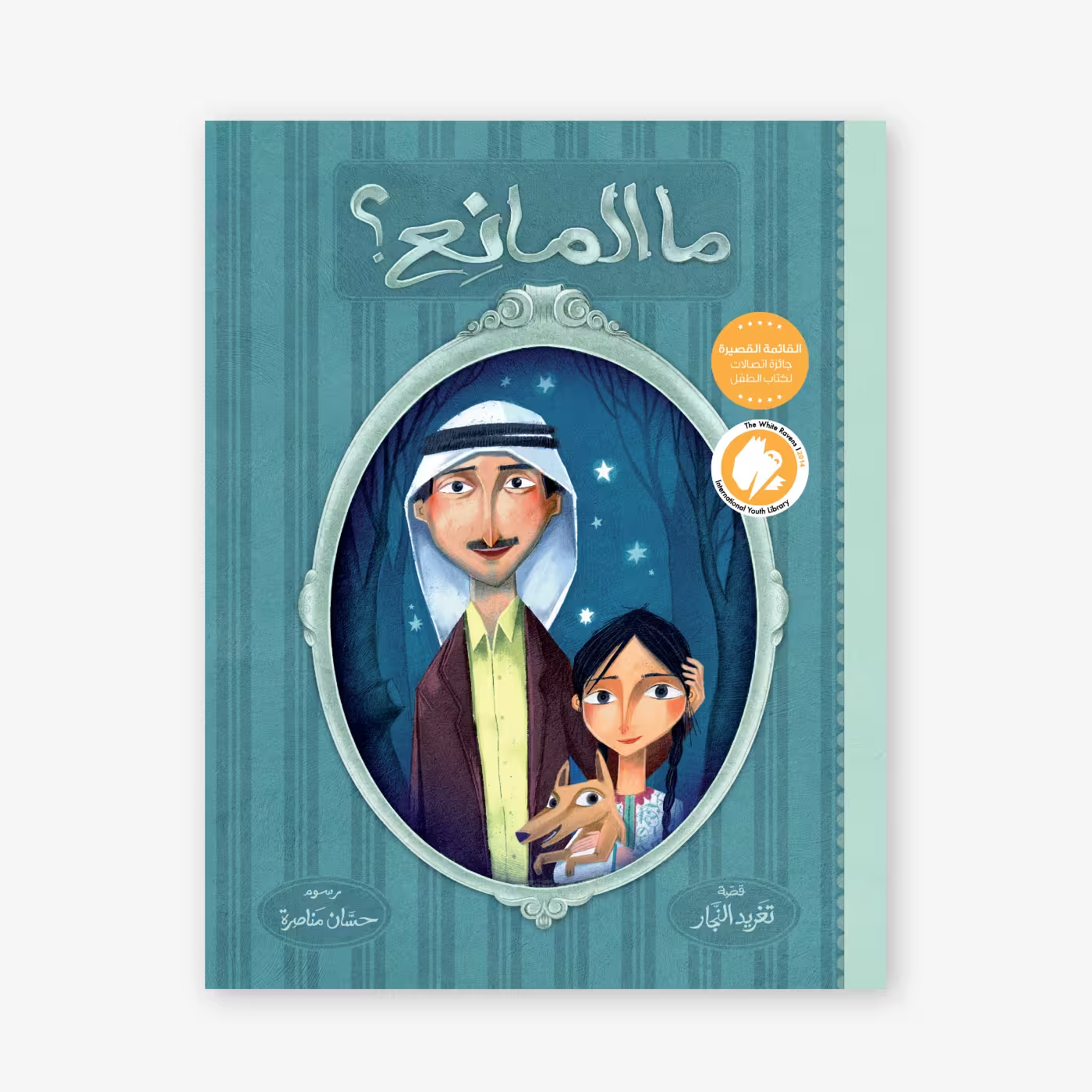
Very early on, I realized how important it was for me, as a writer, to show children a number of strong female characters they could identify with. I had to do this subtly, considering the societal context so that the work would not be immediately rejected by parents and teachers… I focused on girl characters ready to take risks, sometimes mischievous, determined to stand up for what they believe in, who are not afraid to show their emotions, placed in everyday life situations that children could relate to. In *Pourquoi pas ?* ما المانع ؟, when Samia proposes to be the musahhir during Ramadan in place of her sick father, he is appalled and exclaims, “But you are a girl!” Samia then finds the perfect response to calm her father’s fears. Yes, she is a girl, but she is strong and capable; he himself raised her that way. Yes, it is dark, but she will take a lantern to light her way. Yes, there may be wild animals roaming around, but their dog Barq will protect her. No, she will not get lost because the stars will guide her way.

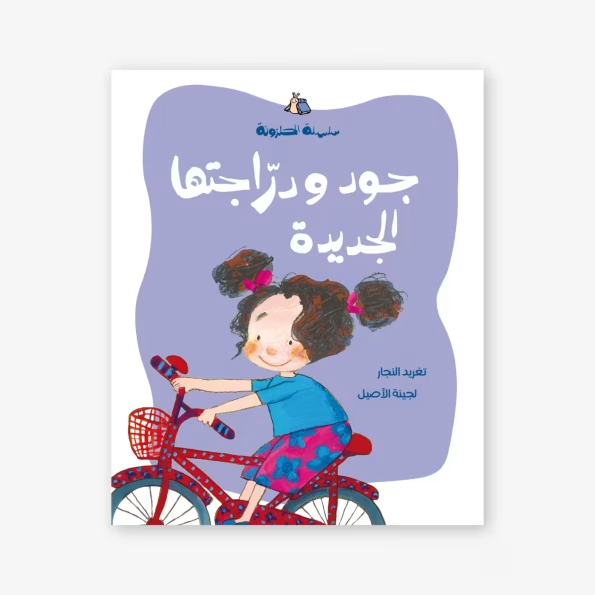
In *Jude et sa nouvelle bicyclette* جود ودرّاجتها الجديدة, Sami teases Jude: she doesn’t know how to ride a bike without training wheels because girls don’t know how to do it! Jude is not intimidated and practices until she masters the bike – without the training wheels – and challenges Sami to race her. Reading a story about strong female characters will help boost the self-confidence and self-esteem of young female readers; it will also help shape the thought process of young male readers.
In *À contre-courant* ستّ الكلّ, you successfully share the life of a young teenage girl from Gaza, Yusra, depicting her as strong, resilient, and courageous. How was this novel received by young Arab teenagers?
This novel is now used as recommended reading in many schools, and I discuss the story with children after they have read it. They love it and identify with it on many different levels. What makes this story real and credible is that it is inspired by a true story. We discuss what they think of Yusra working as a fisherwoman and what it is like to live in a place like Gaza.
As the founder of the Jordanian publishing house Dar al-Salwa, are there any specific themes or messages about femininity that you strive to convey through your publications? Do you sometimes encounter difficulties related to this issue?
The themes I choose to highlight are that women can succeed in whatever they undertake, that they have many options, and that they should face challenges instead of running away from them. That fathers can play a role in childcare, equal to mothers. That men can be supportive: this is as important a subject to address as the emancipation of girls and women.
To ensure our messages are accepted, we frame them within the usual societal context. We sometimes encounter negative reactions from conservative people, especially when it comes to a budding romance between two young teenagers, however innocent it may be.
Can literature influence the perception of women in society? What role would you like your books to play in shaping this perception?
Literature, especially children’s and young adult literature, has the power to inspire girls through the representation of strong, resilient, and committed female characters. It also encourages readers, particularly male readers, to question and reconsider long-established societal beliefs about the roles and places of both sexes. I aspire for my books to have a positive impact on society by depicting a variety of portraits of girls going through different circumstances. My goal is to create characters that challenge stereotypes and foster empathy, understanding, and acceptance.
Have you noticed an evolution over the years in Arabic youth publications regarding the representation of women?
Yes, there has been a noticeable change in the representation of women in youth publishing in the Arab world. In the past, female characters were often limited to traditional roles of wife, mother, and grandmother, and their stories were set in a domestic framework, centered on their family duties. The main characters in stories were mostly male, and girls were relegated to secondary roles. However, there has been a change in recent years in the perception of women in society, and this is reflected in the representation of female protagonists in children’s books. More and more, the main characters are girls and women who engage in various activities and take on different roles.
You are a member of the PublisHer initiative. Why do you think such an association is necessary? What is its goal?
The main goal of the PublisHer initiative is to value and support women in the publishing industry not only in the Arab world but also globally. This initiative is important because it addresses gender inequalities in publishing. To this day, women working in this field continue to face issues such as pay disparity, underrepresentation in leadership positions, and limited opportunities for advancement. The PublisHer initiative provides women with a platform where they can meet, share experiences, and support each other.
Taghreed al-Najjar, a graduate of the American University of Beirut, began her career as a teacher before turning to writing and publishing. She founded the publishing house Dar al-Salwa in 1996 in Amman, Jordan, to offer high-quality children’s literature in Arabic.
With a career spanning four decades, this multifaceted author writes picture books, early readers, and young adult novels. Her picture books have become classics read and enjoyed by multiple generations, while her young adult novels have been highly successful, tackling difficult subjects and reflecting the political and cultural realities of the region.
Several of her books have been part of the White Ravens selection by the International Youth Library. Some have been translated into English, Italian, Swedish, Danish, French, and Turkish.
Taghreed al-Najjar has been nominated multiple times for the Astrid Lindgren Memorial Award and the Hans Christian Andersen Award. She has also been a multiple-time winner of the Etisalat Award for Arabic Children’s Literature. In 2021, Ms. Najjar received the Jordan State Award in recognition of her excellence in children’s literature.
تغريد النجار رائدة في مجال أدب الأطفال بالعربية. كمؤلفة لأكثر من مائة كتاب للأطفال واليافعين، ومؤسسة دار السلوى للنشر في الأردن، تم تكريمها عدة مرات لعملها. تغريد النجار أيضًا عضو في مبادرة PublisHer التي تعمل على دعم وتعزيز النساء في مجال النشر.
لقاء مع ناشطة في مجال الكتب والقراءة في العالم العربي.
كتبك هي المفضلة لدى الأشخاص الذين يبحثون عن أدب شبابي عربي يعرض نساء قويات، شجاعات، وإنسانيات بعمق. ما هي عملية التفكير لديك عند إنشاء شخصية نسائية؟ من أين تستمدين إلهامك؟
لقد حاولت دائمًا تغيير نظرة العالم للنساء. ربما لعبت تجربتي الشخصية دورًا كبيرًا في ذلك. وُلدت في أسرة ريفية فلسطينية تعطي الأولوية للأطفال الذكور قبل كل شيء. كنت البنت الثالثة لأبي، الذي كان هو نفسه الابن الوحيد بين سبع شقيقات. يمكنك أن تتخيل الضغط على والدتي المسكينة لإنجاب ابن… كان والدي، الذي تخرج من الجامعة الأمريكية في بيروت، متفتح الذهن، وكانت والدتي مفكرة مستقلة ومتمردة. ومع ذلك، لم يتمكنوا من الهروب من التوقعات والقيم الاجتماعية عندما ولدت أنا، البنت الثالثة. قيل لي أن خيبة الأمل عند ولادتي كانت كبيرة لدرجة أن القابلة هي التي اضطرت لاختيار اسمي. بعد عام ونصف، وُلد أخي، وأخيرًا حصلت على مكانة. لقد فتحت الطريق للابن المنتظر بفارغ الصبر. أصبحت تلك هي قيمتي في أعين العائلة: كنت الشخص الذي ولدت بعده ابن!
عند التفكير في ذلك بأثر رجعي، أدرك أنني حاولت دائمًا إثبات أن البنات مهمات، وأنهن يستطعن النجاح في كل ما يفعلنه، وأنهن ذوات قيمة، ويستحقن أن يُحببن ويُقدرن. أستمد إلهامي من القصص التي أسمعها عن النساء اللاتي ينجحن في وظائف تقليدية للرجال. أستمد أفكاري من مسارات النساء التي ألتقي بهن أو التي أقرأ عنهن. أحاول أيضًا استمداد من تجربتي الحياتية ومن خلال ملاحظة الناس من حولي لتخيل التفاعلات بين شخصياتي والمشاعر التي يشعرون بها. من حين لآخر، أجري أبحاثًا لإثراء تطوير الشخصية. أحرص دائمًا على تقديم شخصيات متعددة الأبعاد ليتمكن القراء من التعرف عليها. أحاول إظهار كيف يتطورون ويتغيرون في مواجهة الظروف.
كتبك غالبًا ما تبرز شخصيات نسائية قوية. هل من المهم بالنسبة لك تمثيل شخصيات نسائية متنوعة ومستقلة، خاصة للقراء الصغار؟
في وقت مبكر، أدركت مدى أهمية أن أظهر للأطفال عددًا من الشخصيات النسائية القوية التي يمكنهم التعرف عليها. كان عليّ أن أفعل ذلك بلطف ومع مراعاة السياق الاجتماعي حتى لا يتم رفض العمل على الفور من قبل الآباء والمعلمين… ركزت على الشخصيات النسائية المستعدة لتحمل المخاطر، وأحيانًا المشاغبة، المصممة على الدفاع عما يؤمنون به، والتي لا تخاف من إظهار مشاعرها، أي الشخصيات التي توضع في مواقف الحياة اليومية التي يمكن للأطفال التعرف عليها. في “لماذا لا؟” ما المانع؟، عندما تقترح سامية أن تكون المسحر بدلاً من والدها المريض، يشعر والدها بالرعب ويصرخ: “لكن أنتِ فتاة!” تجد سامية الرد المثالي لتهدئة مخاوف والدها. نعم، هي فتاة لكنها قوية وقادرة؛ هو نفسه رباها بهذه الطريقة. نعم، الظلام يحل لكنها ستأخذ فانوسًا يضيء طريقها. نعم، قد تكون هناك حيوانات برية تجوب لكن كلبهم برق سيحميها. لا، لن تضيع لأن النجوم ستوجه طريقها.
في “جود ودراجتها الجديدة” جود ودرّاجتها الجديدة، يسخر سامي من جود: لا تعرف كيفية ركوب الدراجة بدون عجلات تدريب لأن البنات لا يعرفن كيف يفعلن ذلك! جود لا تشعر بالخوف وتتدرب حتى تتقن ركوب الدراجة – بدون عجلات التدريب – وتتحكم في سامي ليتسابق معها. قراءة قصة عن شخصيات نسائية قوية ستساعد على تعزيز الثقة بالنفس وتقدير الذات لدى القراء الإناث الصغيرات؛ وستساعد أيضًا في تشكيل عملية التفكير لدى القراء الذكور الصغار.
في “عكس التيار” ستّ الكلّ، تنجحين في مشاركة حياة فتاة مراهقة من غزة، يسرى، مصورة إياها على أنها قوية، مرنة، وشجاعة. كيف تم استقبال هذا الرواية من قبل المراهقين العرب؟
هذه الرواية تُستخدم الآن كقراءة موصى بها في العديد من المدارس، وأنا أناقش القصة مع الأطفال بعد أن يقرؤوها. يحبونها ويتعرفون عليها على عدة مستويات مختلفة. ما يجعل هذه القصة حقيقية وموثوقة هو أنها مستوحاة من قصة حقيقية. نحن نناقش ما يعتقدونه عن يسرى التي تعمل كصيادة وما يعنيه العيش في مكان مثل غزة.
بصفتك مؤسسة دار السلوى للنشر في الأردن، هل هناك مواضيع أو رسائل معينة عن الأنوثة تسعين إلى نقلها من خلال منشوراتك؟ هل تواجهين أحيانًا صعوبات مرتبطة بهذه القضية؟
المواضيع التي أختار تسليط الضوء عليها هي أن النساء يمكنهن النجاح في كل ما يقمن به، وأن لديهن العديد من الخيارات، وأنهن يجب أن يواجهن الصعوبات بدلاً من الهروب منها. أن الآباء يمكنهم لعب دور في رعاية الأطفال، على قدم المساواة مع الأمهات. أن الرجال يمكنهم أن يكونوا داعمين: هذا موضوع مهم أيضًا تناوله مثل موضوع تمكين الفتيات والنساء.
لكي يتم قبول رسائلنا، ندمجها في الإطار المعتاد للمجتمع. أحيانًا نواجه ردود فعل سلبية من الأشخاص المحافظين، خاصة عندما يتعلق الأمر بعلاقة ناشئة بين مراهقين، مهما كانت بريئة.
هل يمكن للأدب أن يؤثر على تصور النساء في المجتمع؟ ما الدور الذي تودين أن تلعبه كتبك في تشكيل هذا التصور؟
الأدب، وخاصة أدب الأطفال واليافعين، لديه القدرة على إلهام الفتيات من خلال تمثيل شخصيات نسائية قوية، مرنة، ومتحمسة. كما يشجع القراء، وخاصة القراء الذكور، على التساؤل وإعادة النظر في المعتقدات الاجتماعية الراسخة منذ فترة طويلة حول دور ومكان الجنسين. أطمح لأن يكون لكتبي تأثير إيجابي على المجتمع من خلال تصوير مجموعة متنوعة من صور الفتيات اللاتي يمررن بظروف مختلفة. هدفي هو إنشاء شخصيات تتحدى الصور النمطية وتثير التعاطف، والفهم، والقبول.
هل لاحظتِ تطورًا على مر السنين في منشورات الشباب بالعربية فيما يتعلق بتمثيل النساء؟
نعم، كان هناك تغيير ملحوظ في تمثيل النساء في النشر للشباب في العالم العربي. في الماضي، كانت الشخصيات النسائية تقتصر غالبًا على أدوار تقليدية كالزوجة، والأم، والجدة، وكانت قصصهن تدور في إطار منزلي، متمحور حول واجباتهن العائلية. كانت الشخصيات الرئيسية في القصص في الغالب ذكورية، وكانت الفتيات محصورات في الأدوار الثانوية. ومع ذلك، كان هناك تغيير في السنوات الأخيرة في تصور النساء في المجتمع، وهذا ينعكس في تمثيل البطلات في كتب الأطفال. أصبحت الشخصيات الرئيسية أكثر فأكثر فتيات ونساء يشاركن في أنشطة متنوعة ويتولين أدوارًا مختلفة.
أنت عضو في مبادرة PublisHer. برأيك، لماذا تعتبر جمعية كهذه ضرورية؟ ما هو هدفها؟
الهدف الرئيسي لمبادرة PublisHer هو تقدير ودعم النساء في صناعة النشر ليس فقط في العالم العربي، ولكن على الصعيد العالمي. هذه المبادرة مهمة لأنها تتصدى لعدم المساواة بين الجنسين في النشر. حتى يومنا هذا، تواجه النساء العاملات في هذا المجال مشكلات مثل الفجوة في الأجور، نقص التمثيل في المناصب القيادية، وفرص التقدم المحدودة. توفر مبادرة PublisHer للنساء منصة يمكنهن من خلالها الالتقاء، ومشاركة التجارب، ودعم بعضهن البعض.
تغريد النجار، خريجة الجامعة الأمريكية في بيروت، بدأت حياتها المهنية كمعلمة قبل أن تتحول إلى الكتابة والنشر. أسست دار السلوى للنشر في عام 1996 في عمان، الأردن، لتقديم أدب أطفال عالي الجودة باللغة العربية.
مع مسيرة تمتد لأربعة عقود، تكتب هذه المؤلفة متعددة الأوجه كتبًا مصورة، وكتبًا للقراءة الأولى، وروايات للشباب. أصبحت كتبها المصورة كلاسيكيات تُقرأ وتُستمتع بها أجيال عديدة، بينما حققت رواياتها للشباب نجاحًا كبيرًا بتناولها موضوعات صعبة، وتعكس الواقع السياسي والثقافي للمنطقة.
تم اختيار العديد من كتبها ضمن قائمة White Ravens من مكتبة الشباب الدولية. تُرجمت بعض كتبها إلى الإنجليزية، والإيطالية، والسويدية، والدنماركية، والفرنسية، والتركية.